Buy click-care.eu ?
We are moving the project
click-care.eu .
Are you interested in purchasing the domain
click-care.eu ?
domain@kv-gmbh.de · 0541-91531010
Buy click-care.eu ?
Aren't rheas non-invasive?
Rheas are native to South America and are not considered invasive in their natural habitat. However, in some areas outside of their native range, such as in parts of the United States, rheas have been introduced and have the potential to become invasive. In these non-native environments, rheas can compete with native species for resources and disrupt the local ecosystem. Therefore, while rheas are not inherently invasive, their introduction to new areas can pose a threat to local biodiversity. **
What are non-invasive medical devices?
Non-invasive medical devices are tools or equipment that do not penetrate the body or break the skin during their use. These devices are designed to diagnose, monitor, or treat medical conditions without the need for surgery or other invasive procedures. Examples of non-invasive medical devices include blood pressure monitors, thermometers, and ultrasound machines. These devices are often preferred by patients and healthcare providers due to their lower risk of complications and ease of use. **


Similar search terms for Non-invasive
Top-Angebote
Products related to Non-invasive:
-
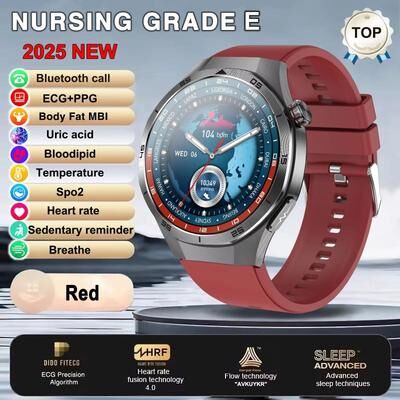
Inspire Select 2025 ECG Health Smart Watch AMOLED Bluetooth Call Fitness Tracker With NFC & Wellness Monitoring red iatrology Care GradeStay connected while tracking your daily wellness with this advanced ECG smart watch designed for fitness, lifestyle monitoring, and smart convenience. Featuring a stunning AMOLED smartwatch display, Bluetooth calling, NFC support, and intelligent...192,97 $*Shipping: 0,00 $Secure redirect to the provider
-
Tommee Tippee Non-Contact Digital ThermometerHealth and Beauty Measuring devices Tommee Tippee Non-Contact Digital Thermometer Find some answers to the most frequently asked questions about your non-contact forehead thermometer. Turn on the unit by pressing and releasing the STAND-BY (ON/MEM) button once. The backlight will turn on and the startup sequence will begin. When you turn on the unit, you will see the icon for measuring your child's forehead temperature on the display and hear two beeps. This is the default mode. Hold the thermometer no more than 4 cm from the center of your child's forehead, just between the eyebrows, and hold it steady. Press the START button and hold the thermometer in place until you hear one final beep. You should now be able to read your child's temperature on the LCD display. Wait for the forehead icon to stop flashing before taking the next temperature measurement. Remember, if you are concerned about your child's health, you should consult a doctor. Even without a fever, your child may still need medical attention.47,43 £*Shipping: 3,99 £Secure redirect to the provider
-
DK Ayurveda: An Ancient System of Holistic Health to Bring Balance and Wellness to Your Life (A Little Book of Self Care)Make Ayurveda an indispensable part of your daily routine with this step-by-step guide to holistic balance and wellness. For a natural approach to self-healing, alternative medicine, and wellness, expert Sonja Shah-Williams has tailored remedies including Ayurveda recipes, skincare, yoga, and mindful meditation techniques. Harness the power of alternative therapies and discover: - What Ayurveda is and the benefits of the practice - Easy to follow, step by step illustrated guide to Ayurvedic practices - Ayurvedic super-foods and recipes - How to easily incorporate holistic practices into daily life - Positive affirmations, mindfulness techniques and exercises Modern science has proved the effectiveness of Ayurveda as a view of the world based on ancient beliefs that everything is connected and that balance is the key to wellbeing. Ayurveda focuses on the prevention of disease by focusing on anti-inflammatory diets, mindful meditation, and massages. This practical guide is an Ayurvedic consultation at your disposal. This little self-care book will take you on a breathtaking journey of holistic healing. It begins by unpacking what Ayurveda is and the benefits of the practice. This reference book includes wellness practices designed to uplift the mind, body, and spirit and healing treatments designed to address, relieve, and help cure a range of common conditions.4,95 £*Shipping: 1,99 £Secure redirect to the provider
-
Arctic Hayes Infrared Digital Thermometer – Non-ContactArctic Hayes Infrared Digital Thermometer – Non-Contact (AH650) The Arctic Hayes Infrared Digital Thermometer is a fast, accurate and reliable tool for measuring temperatures of hard-to-reach surfaces without physical contact. A unique 12-point circular laser targeting system gives precise, clear readings every time. With a temperature range of -30°C to +380°C (-22°F to 716°F), this professional-grade thermometer suits HVAC engineers, plumbers, electricians and general trades. Its bright LCD display, built-in alarms and compact design make it a practical choice for quick diagnostics, safety, accuracy and ease of use. Key Features & Benefits Non-Contact Measurement: Measure temperatures of hard-to-reach surfaces without direct contact. 12-Point Circu43,50 £*Shipping: 5,00 £Secure redirect to the provider



-
What is the correct term for a non-flowering invasive plant?
The correct term for a non-flowering invasive plant is "non-native invasive plant" or simply "invasive plant." These plants are typically introduced to an ecosystem from another region and have the ability to outcompete native plants, disrupt the natural balance, and spread rapidly. Non-flowering invasive plants can still reproduce and spread through methods such as vegetative propagation or seed dispersal. **
-
Should invasive species be controlled?
Yes, invasive species should be controlled because they can have negative impacts on native ecosystems, including outcompeting native species, altering habitats, and disrupting ecological processes. This can lead to a loss of biodiversity and ecosystem function. Controlling invasive species can help to protect and restore native ecosystems, which in turn can benefit the overall health of the environment and the species that depend on it. However, it is important to carefully consider the methods used for control to minimize harm to non-target species and the environment. **
-
Which invasive species are endangering amphibians?
One invasive species that is endangering amphibians is the American bullfrog (Lithobates catesbeianus). These bullfrogs are aggressive predators and compete with native amphibians for resources, leading to declines in native populations. Another invasive species that poses a threat to amphibians is the chytrid fungus (Batrachochytrium dendrobatidis), which causes the disease chytridiomycosis and has been linked to population declines and extinctions of amphibian species worldwide. Both of these invasive species are contributing to the decline of amphibian populations globally. **
-
Is it normal or invasive at work?
It is important to maintain a balance between being friendly and professional in the workplace. It is normal to engage in friendly conversations and build relationships with colleagues, but it becomes invasive when personal boundaries are crossed or when it interferes with productivity. Invasive behavior at work can include prying into personal matters, gossiping, or making inappropriate comments. It is important to be mindful of how our actions and words may be perceived by others in the workplace. **
Is it allowed to catch invasive crayfish species?
In many places, it is allowed to catch invasive crayfish species as they can have a negative impact on the local ecosystem. However, it is important to check local regulations and guidelines before catching any crayfish, as there may be specific rules in place to manage invasive species. It is also important to properly dispose of any caught invasive crayfish to prevent further spread and impact on the environment. **
Which invasive species pose a threat to amphibians?
Some invasive species that pose a threat to amphibians include the American bullfrog, which preys on native amphibians and competes with them for resources. The African clawed frog is another invasive species that can carry diseases harmful to amphibians. The cane toad is known for its toxic skin secretions that can be deadly to predators, including amphibians. These invasive species can disrupt the balance of ecosystems and contribute to the decline of native amphibian populations. **
Top-Angebote
Products related to Non-invasive:
-
440 lbs. Weight Capacity Non-Slip Outdoor Step by North American Health+Wellness in Gray"Large platform makes it easier for those with limited ability to lift their feet and remain steady while stepping up. Comes with a slip-resistant rubber mat. Dimensions: 19 1/4""W x 15 1/2""L x 4""HPP/LDPE/TPRMax. weight: 440 lbs.Use on flat..."49,99 $*Shipping: 16,98 $Secure redirect to the provider
-
Happy Pet Pantry Probiotic Gut Health Soft Granules For Dogs Digestive Support & Nutrient Absorption Care Probiotic Gut Health Soft Granules For Dogs Digestive Support & Nutrient Absorption CareA happy tummy means a happier, more energetic dog. These dog probiotics soft granules are specially formulated to support digestive wellness, improve nutrient uptake, and help maintain a healthy balance of gut bacteria. Ideal for dogs of all breeds...41,97 $*Shipping: 0,00 $Secure redirect to the provider
-
Inspire Select 2025 ECG Health Smart Watch AMOLED Bluetooth Call Fitness Tracker With NFC & Wellness Monitoring red iatrology Care GradeStay connected while tracking your daily wellness with this advanced ECG smart watch designed for fitness, lifestyle monitoring, and smart convenience. Featuring a stunning AMOLED smartwatch display, Bluetooth calling, NFC support, and intelligent...192,97 $*Shipping: 0,00 $Secure redirect to the provider
-
Tommee Tippee Non-Contact Digital ThermometerHealth and Beauty Measuring devices Tommee Tippee Non-Contact Digital Thermometer Find some answers to the most frequently asked questions about your non-contact forehead thermometer. Turn on the unit by pressing and releasing the STAND-BY (ON/MEM) button once. The backlight will turn on and the startup sequence will begin. When you turn on the unit, you will see the icon for measuring your child's forehead temperature on the display and hear two beeps. This is the default mode. Hold the thermometer no more than 4 cm from the center of your child's forehead, just between the eyebrows, and hold it steady. Press the START button and hold the thermometer in place until you hear one final beep. You should now be able to read your child's temperature on the LCD display. Wait for the forehead icon to stop flashing before taking the next temperature measurement. Remember, if you are concerned about your child's health, you should consult a doctor. Even without a fever, your child may still need medical attention.47,43 £*Shipping: 3,99 £Secure redirect to the provider
-
Aren't rheas non-invasive?
Rheas are native to South America and are not considered invasive in their natural habitat. However, in some areas outside of their native range, such as in parts of the United States, rheas have been introduced and have the potential to become invasive. In these non-native environments, rheas can compete with native species for resources and disrupt the local ecosystem. Therefore, while rheas are not inherently invasive, their introduction to new areas can pose a threat to local biodiversity. **
-
What are non-invasive medical devices?
Non-invasive medical devices are tools or equipment that do not penetrate the body or break the skin during their use. These devices are designed to diagnose, monitor, or treat medical conditions without the need for surgery or other invasive procedures. Examples of non-invasive medical devices include blood pressure monitors, thermometers, and ultrasound machines. These devices are often preferred by patients and healthcare providers due to their lower risk of complications and ease of use. **
-
What is the correct term for a non-flowering invasive plant?
The correct term for a non-flowering invasive plant is "non-native invasive plant" or simply "invasive plant." These plants are typically introduced to an ecosystem from another region and have the ability to outcompete native plants, disrupt the natural balance, and spread rapidly. Non-flowering invasive plants can still reproduce and spread through methods such as vegetative propagation or seed dispersal. **
-
Should invasive species be controlled?
Yes, invasive species should be controlled because they can have negative impacts on native ecosystems, including outcompeting native species, altering habitats, and disrupting ecological processes. This can lead to a loss of biodiversity and ecosystem function. Controlling invasive species can help to protect and restore native ecosystems, which in turn can benefit the overall health of the environment and the species that depend on it. However, it is important to carefully consider the methods used for control to minimize harm to non-target species and the environment. **
Similar search terms for Non-invasive
-
DK Ayurveda: An Ancient System of Holistic Health to Bring Balance and Wellness to Your Life (A Little Book of Self Care)Make Ayurveda an indispensable part of your daily routine with this step-by-step guide to holistic balance and wellness. For a natural approach to self-healing, alternative medicine, and wellness, expert Sonja Shah-Williams has tailored remedies including Ayurveda recipes, skincare, yoga, and mindful meditation techniques. Harness the power of alternative therapies and discover: - What Ayurveda is and the benefits of the practice - Easy to follow, step by step illustrated guide to Ayurvedic practices - Ayurvedic super-foods and recipes - How to easily incorporate holistic practices into daily life - Positive affirmations, mindfulness techniques and exercises Modern science has proved the effectiveness of Ayurveda as a view of the world based on ancient beliefs that everything is connected and that balance is the key to wellbeing. Ayurveda focuses on the prevention of disease by focusing on anti-inflammatory diets, mindful meditation, and massages. This practical guide is an Ayurvedic consultation at your disposal. This little self-care book will take you on a breathtaking journey of holistic healing. It begins by unpacking what Ayurveda is and the benefits of the practice. This reference book includes wellness practices designed to uplift the mind, body, and spirit and healing treatments designed to address, relieve, and help cure a range of common conditions.4,95 £*Shipping: 1,99 £Secure redirect to the provider
-
Arctic Hayes Infrared Digital Thermometer – Non-ContactArctic Hayes Infrared Digital Thermometer – Non-Contact (AH650) The Arctic Hayes Infrared Digital Thermometer is a fast, accurate and reliable tool for measuring temperatures of hard-to-reach surfaces without physical contact. A unique 12-point circular laser targeting system gives precise, clear readings every time. With a temperature range of -30°C to +380°C (-22°F to 716°F), this professional-grade thermometer suits HVAC engineers, plumbers, electricians and general trades. Its bright LCD display, built-in alarms and compact design make it a practical choice for quick diagnostics, safety, accuracy and ease of use. Key Features & Benefits Non-Contact Measurement: Measure temperatures of hard-to-reach surfaces without direct contact. 12-Point Circu43,50 £*Shipping: 5,00 £Secure redirect to the provider
-
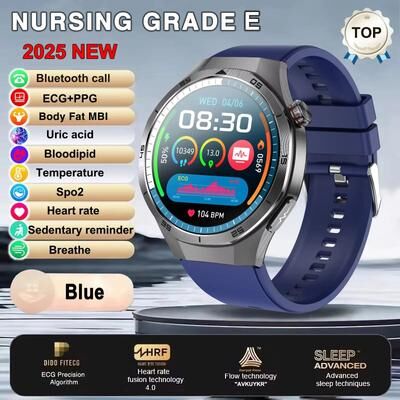
Inspire Select 2025 ECG Health Smart Watch AMOLED Bluetooth Call Fitness Tracker With NFC & Wellness Monitoring blue iatrology Care GradeStay connected while tracking your daily wellness with this advanced ECG smart watch designed for fitness, lifestyle monitoring, and smart convenience. Featuring a stunning AMOLED smartwatch display, Bluetooth calling, NFC support, and intelligent...192,97 $*Shipping: 0,00 $Secure redirect to the provider
-
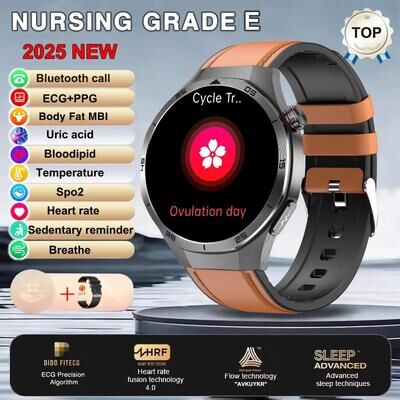
Inspire Select 2025 ECG Health Smart Watch AMOLED Bluetooth Call Fitness Tracker With NFC & Wellness Monitoring brown Leather iatrology Care GradeStay connected while tracking your daily wellness with this advanced ECG smart watch designed for fitness, lifestyle monitoring, and smart convenience. Featuring a stunning AMOLED smartwatch display, Bluetooth calling, NFC support, and intelligent...201,98 $*Shipping: 0,00 $Secure redirect to the provider
-
Which invasive species are endangering amphibians?
One invasive species that is endangering amphibians is the American bullfrog (Lithobates catesbeianus). These bullfrogs are aggressive predators and compete with native amphibians for resources, leading to declines in native populations. Another invasive species that poses a threat to amphibians is the chytrid fungus (Batrachochytrium dendrobatidis), which causes the disease chytridiomycosis and has been linked to population declines and extinctions of amphibian species worldwide. Both of these invasive species are contributing to the decline of amphibian populations globally. **
-
Is it normal or invasive at work?
It is important to maintain a balance between being friendly and professional in the workplace. It is normal to engage in friendly conversations and build relationships with colleagues, but it becomes invasive when personal boundaries are crossed or when it interferes with productivity. Invasive behavior at work can include prying into personal matters, gossiping, or making inappropriate comments. It is important to be mindful of how our actions and words may be perceived by others in the workplace. **
-
Is it allowed to catch invasive crayfish species?
In many places, it is allowed to catch invasive crayfish species as they can have a negative impact on the local ecosystem. However, it is important to check local regulations and guidelines before catching any crayfish, as there may be specific rules in place to manage invasive species. It is also important to properly dispose of any caught invasive crayfish to prevent further spread and impact on the environment. **
-
Which invasive species pose a threat to amphibians?
Some invasive species that pose a threat to amphibians include the American bullfrog, which preys on native amphibians and competes with them for resources. The African clawed frog is another invasive species that can carry diseases harmful to amphibians. The cane toad is known for its toxic skin secretions that can be deadly to predators, including amphibians. These invasive species can disrupt the balance of ecosystems and contribute to the decline of native amphibian populations. **
* All prices are inclusive of VAT and, if applicable, plus shipping costs. The offer information is based on the details provided by the respective shop and is updated through automated processes. Real-time updates do not occur, so deviations can occur in individual cases. ** Note: Parts of this content were created by AI.