Buy click-care.eu ?
We are moving the project
click-care.eu .
Are you interested in purchasing the domain
click-care.eu ?
domain@kv-gmbh.de · 0541-91531010
Buy click-care.eu ?
Does radiology require training assistance?
Yes, radiology does require training assistance. Radiology is a complex field that involves the use of advanced imaging technology to diagnose and treat medical conditions. Radiologists need to undergo extensive training to understand the various imaging techniques, interpret the results accurately, and make informed decisions about patient care. Additionally, ongoing training and education are essential to keep up with the latest advancements in imaging technology and medical knowledge. Therefore, training assistance in the form of mentorship, residency programs, and continuing education opportunities is crucial for radiologists to develop and maintain their skills. **
How can one study radiology?
One can study radiology by completing a bachelor's degree in a related field such as biology, chemistry, or physics, followed by attending medical school to become a doctor. After completing medical school, one can pursue a residency program in radiology, which typically lasts for four years. During the residency, individuals receive hands-on training in various imaging techniques and interpretation of medical images. Additionally, obtaining board certification in radiology is often required to practice as a radiologist. **

Similar search terms for Radiology
Top-Angebote
Products related to Radiology:
-
DK Ayurveda: An Ancient System of Holistic Health to Bring Balance and Wellness to Your Life (A Little Book of Self Care)Make Ayurveda an indispensable part of your daily routine with this step-by-step guide to holistic balance and wellness. For a natural approach to self-healing, alternative medicine, and wellness, expert Sonja Shah-Williams has tailored remedies including Ayurveda recipes, skincare, yoga, and mindful meditation techniques. Harness the power of alternative therapies and discover: - What Ayurveda is and the benefits of the practice - Easy to follow, step by step illustrated guide to Ayurvedic practices - Ayurvedic super-foods and recipes - How to easily incorporate holistic practices into daily life - Positive affirmations, mindfulness techniques and exercises Modern science has proved the effectiveness of Ayurveda as a view of the world based on ancient beliefs that everything is connected and that balance is the key to wellbeing. Ayurveda focuses on the prevention of disease by focusing on anti-inflammatory diets, mindful meditation, and massages. This practical guide is an Ayurvedic consultation at your disposal. This little self-care book will take you on a breathtaking journey of holistic healing. It begins by unpacking what Ayurveda is and the benefits of the practice. This reference book includes wellness practices designed to uplift the mind, body, and spirit and healing treatments designed to address, relieve, and help cure a range of common conditions.4,95 £*Shipping: 1,99 £Secure redirect to the provider
-
Inspire Select Dog Lift Support Harness Adjustable Rear Leg Support Sling For Mobility Assistance gray mHelp your furry companion move with greater comfort and confidence using this supportive dog lift harness. Designed to provide reliable assistance for pets with mobility challenges, this dog support sling helps reduce strain while walking, climbing...148,95 $*Shipping: 0,00 $Secure redirect to the provider
-
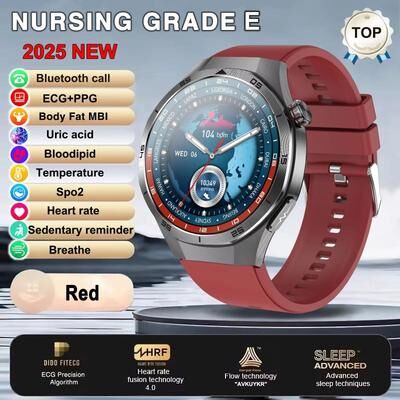
Inspire Select 2025 ECG Health Smart Watch AMOLED Bluetooth Call Fitness Tracker With NFC & Wellness Monitoring red iatrology Care GradeStay connected while tracking your daily wellness with this advanced ECG smart watch designed for fitness, lifestyle monitoring, and smart convenience. Featuring a stunning AMOLED smartwatch display, Bluetooth calling, NFC support, and intelligent...192,97 $*Shipping: 0,00 $Secure redirect to the provider
-
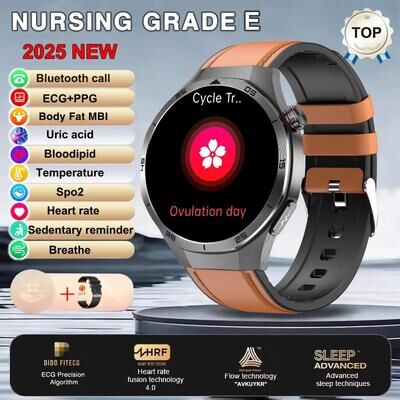
Inspire Select 2025 ECG Health Smart Watch AMOLED Bluetooth Call Fitness Tracker With NFC & Wellness Monitoring brown Leather iatrology Care GradeStay connected while tracking your daily wellness with this advanced ECG smart watch designed for fitness, lifestyle monitoring, and smart convenience. Featuring a stunning AMOLED smartwatch display, Bluetooth calling, NFC support, and intelligent...201,98 $*Shipping: 0,00 $Secure redirect to the provider


-
Is the training to become a medical technical radiology assistant (MTRA) in radiology dangerous?
The training to become a medical technical radiology assistant (MTRA) in radiology is not inherently dangerous. However, like any medical profession, there are potential risks associated with working in a healthcare setting, such as exposure to radiation and infectious diseases. Proper training, adherence to safety protocols, and the use of protective equipment can help minimize these risks. Additionally, ongoing education and professional development are important for staying updated on best practices for ensuring safety in the workplace. **
-
What are the requirements for a radiology assistant?
To become a radiology assistant, one typically needs to have a bachelor's degree in radiologic technology or a related field. Additionally, many employers require certification as a radiologic technologist and several years of experience working in radiology. Some employers may also prefer candidates who have completed a radiology assistant program or have a master's degree in radiologic science. Strong communication and interpersonal skills are also important for this role, as radiology assistants often work closely with patients and other healthcare professionals. **
-
How do I find an internship in radiology?
To find an internship in radiology, you can start by reaching out to local hospitals, medical imaging centers, and radiology departments at healthcare facilities to inquire about internship opportunities. You can also check with your college or university's career services office, as they may have connections with healthcare organizations that offer radiology internships. Additionally, networking with radiology professionals and joining professional organizations in the field can help you learn about internship opportunities and make valuable connections. Finally, consider searching online job boards and internship databases for radiology internships in your area. **
-
What are the costs of a radiology practice?
The costs of a radiology practice can include equipment and technology expenses, such as MRI machines, CT scanners, and X-ray machines, which can be quite expensive to purchase and maintain. Additionally, there are costs associated with staffing, including salaries for radiologists, technicians, and administrative staff. Other costs may include facility expenses, such as rent, utilities, and maintenance, as well as the cost of supplies and materials needed for imaging procedures. Finally, there are also costs associated with compliance, such as maintaining accreditation and meeting regulatory requirements. **

What is the difference between training to become a medical technology radiology assistant and training to become a radiology technician?
Training to become a medical technology radiology assistant typically involves a shorter program, usually a certificate or associate degree, focusing on assisting radiologic technologists with patient care, positioning, and equipment operation. On the other hand, training to become a radiology technician involves a more comprehensive program, usually a bachelor's degree, that includes coursework in anatomy, physiology, patient care, radiation physics, and imaging techniques. Radiology technicians are trained to perform imaging procedures independently, while radiology assistants work under the supervision of radiologic technologists. **
What is the difference between training to become a medical technology radiology assistant and training to become a radiology technologist?
Training to become a medical technology radiology assistant typically involves a shorter program, usually a certificate or associate degree, focusing on assisting radiologic technologists with patient care, equipment operation, and image processing. On the other hand, training to become a radiology technologist involves a more in-depth program, usually a bachelor's degree, that includes coursework in anatomy, physiology, patient care, radiation physics, and imaging techniques. Radiology technologists are responsible for performing imaging procedures and ensuring high-quality diagnostic images are produced, while radiology assistants support technologists in various aspects of the imaging process. **
Top-Angebote
Products related to Radiology:
-
Happy Pet Pantry Probiotic Gut Health Soft Granules For Dogs Digestive Support & Nutrient Absorption Care Probiotic Gut Health Soft Granules For Dogs Digestive Support & Nutrient Absorption CareA happy tummy means a happier, more energetic dog. These dog probiotics soft granules are specially formulated to support digestive wellness, improve nutrient uptake, and help maintain a healthy balance of gut bacteria. Ideal for dogs of all breeds...41,97 $*Shipping: 0,00 $Secure redirect to the provider
-
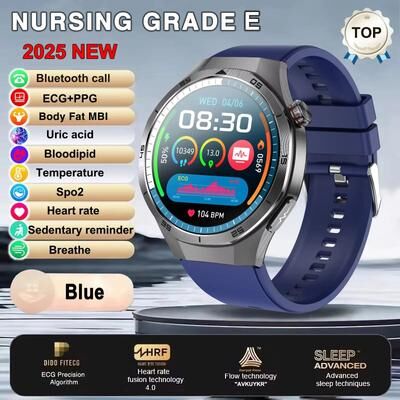
Inspire Select 2025 ECG Health Smart Watch AMOLED Bluetooth Call Fitness Tracker With NFC & Wellness Monitoring blue iatrology Care GradeStay connected while tracking your daily wellness with this advanced ECG smart watch designed for fitness, lifestyle monitoring, and smart convenience. Featuring a stunning AMOLED smartwatch display, Bluetooth calling, NFC support, and intelligent...192,97 $*Shipping: 0,00 $Secure redirect to the provider
-
DK Ayurveda: An Ancient System of Holistic Health to Bring Balance and Wellness to Your Life (A Little Book of Self Care)Make Ayurveda an indispensable part of your daily routine with this step-by-step guide to holistic balance and wellness. For a natural approach to self-healing, alternative medicine, and wellness, expert Sonja Shah-Williams has tailored remedies including Ayurveda recipes, skincare, yoga, and mindful meditation techniques. Harness the power of alternative therapies and discover: - What Ayurveda is and the benefits of the practice - Easy to follow, step by step illustrated guide to Ayurvedic practices - Ayurvedic super-foods and recipes - How to easily incorporate holistic practices into daily life - Positive affirmations, mindfulness techniques and exercises Modern science has proved the effectiveness of Ayurveda as a view of the world based on ancient beliefs that everything is connected and that balance is the key to wellbeing. Ayurveda focuses on the prevention of disease by focusing on anti-inflammatory diets, mindful meditation, and massages. This practical guide is an Ayurvedic consultation at your disposal. This little self-care book will take you on a breathtaking journey of holistic healing. It begins by unpacking what Ayurveda is and the benefits of the practice. This reference book includes wellness practices designed to uplift the mind, body, and spirit and healing treatments designed to address, relieve, and help cure a range of common conditions.4,95 £*Shipping: 1,99 £Secure redirect to the provider
-
Inspire Select Dog Lift Support Harness Adjustable Rear Leg Support Sling For Mobility Assistance gray mHelp your furry companion move with greater comfort and confidence using this supportive dog lift harness. Designed to provide reliable assistance for pets with mobility challenges, this dog support sling helps reduce strain while walking, climbing...148,95 $*Shipping: 0,00 $Secure redirect to the provider
-
Does radiology require training assistance?
Yes, radiology does require training assistance. Radiology is a complex field that involves the use of advanced imaging technology to diagnose and treat medical conditions. Radiologists need to undergo extensive training to understand the various imaging techniques, interpret the results accurately, and make informed decisions about patient care. Additionally, ongoing training and education are essential to keep up with the latest advancements in imaging technology and medical knowledge. Therefore, training assistance in the form of mentorship, residency programs, and continuing education opportunities is crucial for radiologists to develop and maintain their skills. **
-
How can one study radiology?
One can study radiology by completing a bachelor's degree in a related field such as biology, chemistry, or physics, followed by attending medical school to become a doctor. After completing medical school, one can pursue a residency program in radiology, which typically lasts for four years. During the residency, individuals receive hands-on training in various imaging techniques and interpretation of medical images. Additionally, obtaining board certification in radiology is often required to practice as a radiologist. **
-
Is the training to become a medical technical radiology assistant (MTRA) in radiology dangerous?
The training to become a medical technical radiology assistant (MTRA) in radiology is not inherently dangerous. However, like any medical profession, there are potential risks associated with working in a healthcare setting, such as exposure to radiation and infectious diseases. Proper training, adherence to safety protocols, and the use of protective equipment can help minimize these risks. Additionally, ongoing education and professional development are important for staying updated on best practices for ensuring safety in the workplace. **
-
What are the requirements for a radiology assistant?
To become a radiology assistant, one typically needs to have a bachelor's degree in radiologic technology or a related field. Additionally, many employers require certification as a radiologic technologist and several years of experience working in radiology. Some employers may also prefer candidates who have completed a radiology assistant program or have a master's degree in radiologic science. Strong communication and interpersonal skills are also important for this role, as radiology assistants often work closely with patients and other healthcare professionals. **
Similar search terms for Radiology
-
Inspire Select 2025 ECG Health Smart Watch AMOLED Bluetooth Call Fitness Tracker With NFC & Wellness Monitoring red iatrology Care GradeStay connected while tracking your daily wellness with this advanced ECG smart watch designed for fitness, lifestyle monitoring, and smart convenience. Featuring a stunning AMOLED smartwatch display, Bluetooth calling, NFC support, and intelligent...192,97 $*Shipping: 0,00 $Secure redirect to the provider
-
Inspire Select 2025 ECG Health Smart Watch AMOLED Bluetooth Call Fitness Tracker With NFC & Wellness Monitoring brown Leather iatrology Care GradeStay connected while tracking your daily wellness with this advanced ECG smart watch designed for fitness, lifestyle monitoring, and smart convenience. Featuring a stunning AMOLED smartwatch display, Bluetooth calling, NFC support, and intelligent...201,98 $*Shipping: 0,00 $Secure redirect to the provider
-
Inspire Select 2025 ECG Health Smart Watch AMOLED Bluetooth Call Fitness Tracker With NFC & Wellness Monitoring black Leather iatrology Care GradeStay connected while tracking your daily wellness with this advanced ECG smart watch designed for fitness, lifestyle monitoring, and smart convenience. Featuring a stunning AMOLED smartwatch display, Bluetooth calling, NFC support, and intelligent...192,97 $*Shipping: 0,00 $Secure redirect to the provider
-
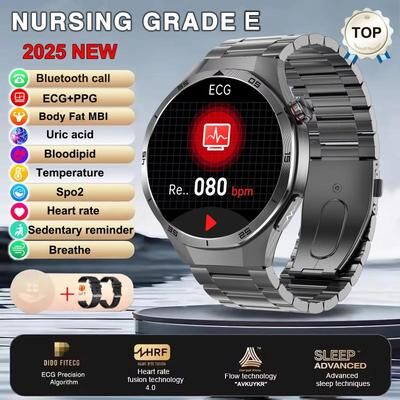
Inspire Select 2025 ECG Health Smart Watch AMOLED Bluetooth Call Fitness Tracker With NFC & Wellness Monitoring black Steel 2a iatrology Care GradeStay connected while tracking your daily wellness with this advanced ECG smart watch designed for fitness, lifestyle monitoring, and smart convenience. Featuring a stunning AMOLED smartwatch display, Bluetooth calling, NFC support, and intelligent...233,99 $*Shipping: 0,00 $Secure redirect to the provider
-
How do I find an internship in radiology?
To find an internship in radiology, you can start by reaching out to local hospitals, medical imaging centers, and radiology departments at healthcare facilities to inquire about internship opportunities. You can also check with your college or university's career services office, as they may have connections with healthcare organizations that offer radiology internships. Additionally, networking with radiology professionals and joining professional organizations in the field can help you learn about internship opportunities and make valuable connections. Finally, consider searching online job boards and internship databases for radiology internships in your area. **
-
What are the costs of a radiology practice?
The costs of a radiology practice can include equipment and technology expenses, such as MRI machines, CT scanners, and X-ray machines, which can be quite expensive to purchase and maintain. Additionally, there are costs associated with staffing, including salaries for radiologists, technicians, and administrative staff. Other costs may include facility expenses, such as rent, utilities, and maintenance, as well as the cost of supplies and materials needed for imaging procedures. Finally, there are also costs associated with compliance, such as maintaining accreditation and meeting regulatory requirements. **
-
What is the difference between training to become a medical technology radiology assistant and training to become a radiology technician?
Training to become a medical technology radiology assistant typically involves a shorter program, usually a certificate or associate degree, focusing on assisting radiologic technologists with patient care, positioning, and equipment operation. On the other hand, training to become a radiology technician involves a more comprehensive program, usually a bachelor's degree, that includes coursework in anatomy, physiology, patient care, radiation physics, and imaging techniques. Radiology technicians are trained to perform imaging procedures independently, while radiology assistants work under the supervision of radiologic technologists. **
-
What is the difference between training to become a medical technology radiology assistant and training to become a radiology technologist?
Training to become a medical technology radiology assistant typically involves a shorter program, usually a certificate or associate degree, focusing on assisting radiologic technologists with patient care, equipment operation, and image processing. On the other hand, training to become a radiology technologist involves a more in-depth program, usually a bachelor's degree, that includes coursework in anatomy, physiology, patient care, radiation physics, and imaging techniques. Radiology technologists are responsible for performing imaging procedures and ensuring high-quality diagnostic images are produced, while radiology assistants support technologists in various aspects of the imaging process. **
* All prices are inclusive of VAT and, if applicable, plus shipping costs. The offer information is based on the details provided by the respective shop and is updated through automated processes. Real-time updates do not occur, so deviations can occur in individual cases. ** Note: Parts of this content were created by AI.